

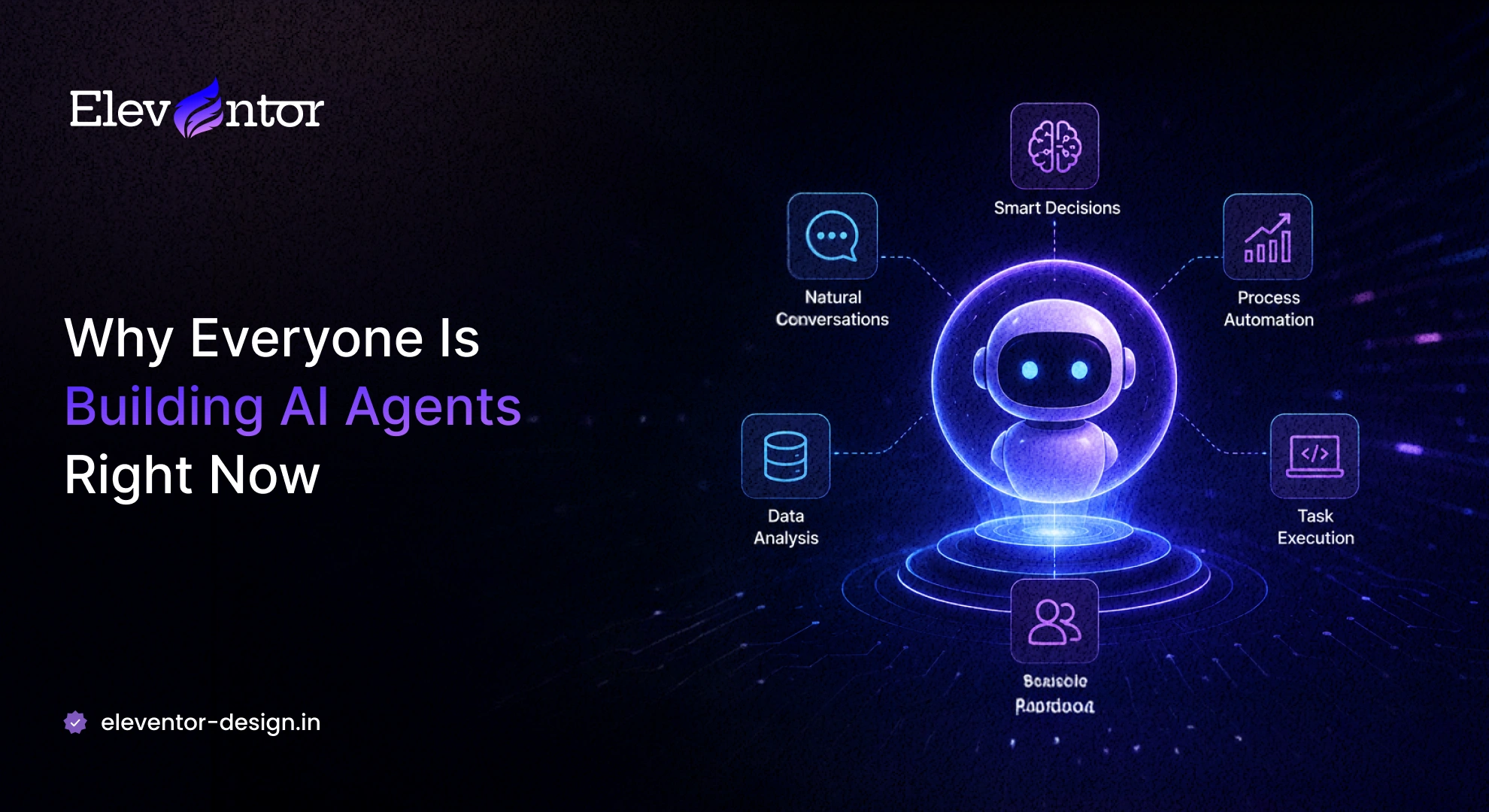
Understanding the modern technical landscape is crucial for digital growth. As artificial intelligence advances, companies must adapt. This article details building AI agents and its massive implications on design systems and consumer experiences.
The chatbot era may already be ending
In product engineering and digital design, consistency and performance are the bedrock of success. When shifting paradigms arise, businesses that proactively optimize their structures capture the market. By integrating building AI agents deep into workflows, teams can deliver outcomes at lightning speed.
Here are the core principles to keep in mind:
- Friction reduction: Always design to shorten the path to value.
- Intelligent automation: Use context and semantic parsing to guide the workflow.
- System transparency: Build trust by keeping status messages clean and clear.
This changes how we configure user interfaces. Instead of requiring users to manually dig through visual controls, modern applications prioritize intuitive workflows that leverage intelligent APIs.
What makes an AI agent different from a standard bot
In product engineering and digital design, consistency and performance are the bedrock of success. When shifting paradigms arise, businesses that proactively optimize their structures capture the market. By integrating building AI agents deep into workflows, teams can deliver outcomes at lightning speed.
Here are the core principles to keep in mind:
- Friction reduction: Always design to shorten the path to value.
- Intelligent automation: Use context and semantic parsing to guide the workflow.
- System transparency: Build trust by keeping status messages clean and clear.
This changes how we configure user interfaces. Instead of requiring users to manually dig through visual controls, modern applications prioritize intuitive workflows that leverage intelligent APIs.
Autonomous workflows and zero-click execution
In product engineering and digital design, consistency and performance are the bedrock of success. When shifting paradigms arise, businesses that proactively optimize their structures capture the market. By integrating building AI agents deep into workflows, teams can deliver outcomes at lightning speed.
Here are the core principles to keep in mind:
- Friction reduction: Always design to shorten the path to value.
- Intelligent automation: Use context and semantic parsing to guide the workflow.
- System transparency: Build trust by keeping status messages clean and clear.
This changes how we configure user interfaces. Instead of requiring users to manually dig through visual controls, modern applications prioritize intuitive workflows that leverage intelligent APIs.
The major tech giants staking their claim
In product engineering and digital design, consistency and performance are the bedrock of success. When shifting paradigms arise, businesses that proactively optimize their structures capture the market. By integrating building AI agents deep into workflows, teams can deliver outcomes at lightning speed.
Here are the core principles to keep in mind:
- Friction reduction: Always design to shorten the path to value.
- Intelligent automation: Use context and semantic parsing to guide the workflow.
- System transparency: Build trust by keeping status messages clean and clear.
This changes how we configure user interfaces. Instead of requiring users to manually dig through visual controls, modern applications prioritize intuitive workflows that leverage intelligent APIs.
Challenges: Trust, hallucination, and guardrails
In product engineering and digital design, consistency and performance are the bedrock of success. When shifting paradigms arise, businesses that proactively optimize their structures capture the market. By integrating building AI agents deep into workflows, teams can deliver outcomes at lightning speed.
Here are the core principles to keep in mind:
- Friction reduction: Always design to shorten the path to value.
- Intelligent automation: Use context and semantic parsing to guide the workflow.
- System transparency: Build trust by keeping status messages clean and clear.
This changes how we configure user interfaces. Instead of requiring users to manually dig through visual controls, modern applications prioritize intuitive workflows that leverage intelligent APIs.
Summary: The future of human-agent collaboration
In product engineering and digital design, consistency and performance are the bedrock of success. When shifting paradigms arise, businesses that proactively optimize their structures capture the market. By integrating building AI agents deep into workflows, teams can deliver outcomes at lightning speed.
Here are the core principles to keep in mind:
- Friction reduction: Always design to shorten the path to value.
- Intelligent automation: Use context and semantic parsing to guide the workflow.
- System transparency: Build trust by keeping status messages clean and clear.
This changes how we configure user interfaces. Instead of requiring users to manually dig through visual controls, modern applications prioritize intuitive workflows that leverage intelligent APIs.
Next Steps for Creators and Startups
The era of traditional static configurations is fading. Focus on building flexible systems that scale. Contact Eleventor Design today to consult on how we can implement these trends for your brand.