

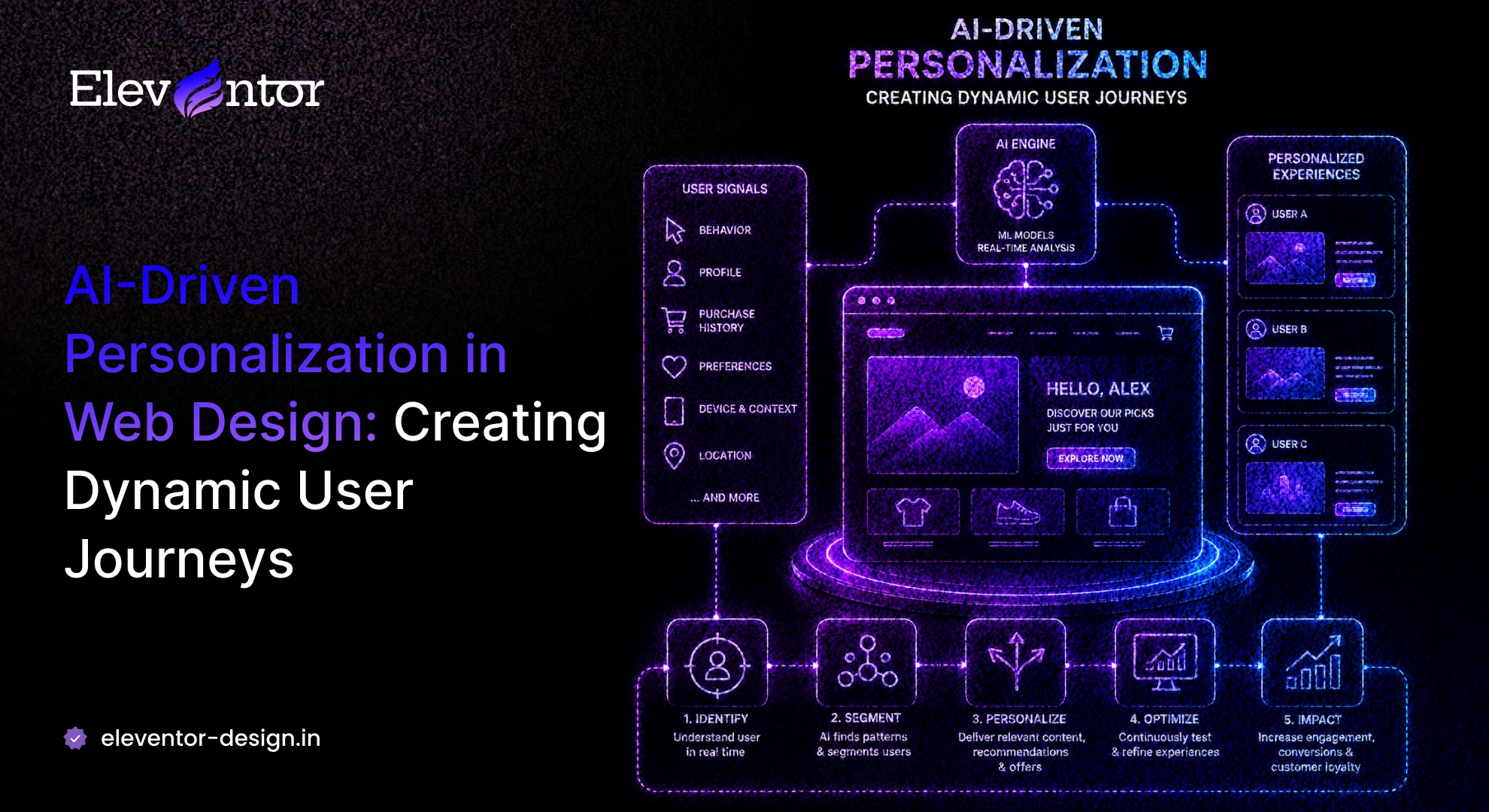
In the ever-evolving landscape of technology, design is no longer just about aesthetics. It is the primary vehicle for delivery, user retention, and business growth. As we move deeper into 2026, understanding the intersection of product vision, engineering capability, and user expectation is key. This article covers AI personalization web design and how it is redefining the industry.
Introduction: The Demise of the Generic Web Experience
As user expectations shift, traditional paradigms must adapt. Designers and developers are finding that simple screens are no longer enough to address complex problems. High-performing digital products require structured thinking, robust components, and constant alignment with user intentions.
For instance, when we analyze modern implementations of AI personalization web design, we observe several core parameters:
- Scalability: The architecture must handle growth gracefully.
- Accessibility: Design solutions must serve diverse audiences inclusively.
- Performance: Interaction latency must remain minimal to hold attention.
This means that teams cannot treat these trends as simple cosmetic additions. Instead, they must be integrated deep into design systems, component libraries, and product workflows from day one.
To implement this effectively, organizations must rethink how they approach visual hierarchy and layout consistency. When digital components are constructed with reusable design tokens, style parameters remain synchronised across all platforms, including mobile viewports, responsive web interfaces, and progressive applications. This minimizes deviation and prevents UX debt from compiling over time.
"Great design is not just what it looks like and feels like. Design is how it works." This classic principle remains the cornerstone of modern product innovation in the digital era.
How AI Tracks and Understands Visitor Intent Instantly
As user expectations shift, traditional paradigms must adapt. Designers and developers are finding that simple screens are no longer enough to address complex problems. High-performing digital products require structured thinking, robust components, and constant alignment with user intentions.
For instance, when we analyze modern implementations of AI personalization web design, we observe several core parameters:
- Scalability: The architecture must handle growth gracefully.
- Accessibility: Design solutions must serve diverse audiences inclusively.
- Performance: Interaction latency must remain minimal to hold attention.
This means that teams cannot treat these trends as simple cosmetic additions. Instead, they must be integrated deep into design systems, component libraries, and product workflows from day one.
To implement this effectively, organizations must rethink how they approach visual hierarchy and layout consistency. When digital components are constructed with reusable design tokens, style parameters remain synchronised across all platforms, including mobile viewports, responsive web interfaces, and progressive applications. This minimizes deviation and prevents UX debt from compiling over time.
"Great design is not just what it looks like and feels like. Design is how it works." This classic principle remains the cornerstone of modern product innovation in the digital era.
Dynamic Content blocks: Custom Hero Copy, Images, and CTAs
As user expectations shift, traditional paradigms must adapt. Designers and developers are finding that simple screens are no longer enough to address complex problems. High-performing digital products require structured thinking, robust components, and constant alignment with user intentions.
For instance, when we analyze modern implementations of AI personalization web design, we observe several core parameters:
- Scalability: The architecture must handle growth gracefully.
- Accessibility: Design solutions must serve diverse audiences inclusively.
- Performance: Interaction latency must remain minimal to hold attention.
This means that teams cannot treat these trends as simple cosmetic additions. Instead, they must be integrated deep into design systems, component libraries, and product workflows from day one.
To implement this effectively, organizations must rethink how they approach visual hierarchy and layout consistency. When digital components are constructed with reusable design tokens, style parameters remain synchronised across all platforms, including mobile viewports, responsive web interfaces, and progressive applications. This minimizes deviation and prevents UX debt from compiling over time.
"Great design is not just what it looks like and feels like. Design is how it works." This classic principle remains the cornerstone of modern product innovation in the digital era.
Adaptive Navigation: Adjusting Site Flows Based on Audience Segments
As user expectations shift, traditional paradigms must adapt. Designers and developers are finding that simple screens are no longer enough to address complex problems. High-performing digital products require structured thinking, robust components, and constant alignment with user intentions.
For instance, when we analyze modern implementations of AI personalization web design, we observe several core parameters:
- Scalability: The architecture must handle growth gracefully.
- Accessibility: Design solutions must serve diverse audiences inclusively.
- Performance: Interaction latency must remain minimal to hold attention.
This means that teams cannot treat these trends as simple cosmetic additions. Instead, they must be integrated deep into design systems, component libraries, and product workflows from day one.
To implement this effectively, organizations must rethink how they approach visual hierarchy and layout consistency. When digital components are constructed with reusable design tokens, style parameters remain synchronised across all platforms, including mobile viewports, responsive web interfaces, and progressive applications. This minimizes deviation and prevents UX debt from compiling over time.
"Great design is not just what it looks like and feels like. Design is how it works." This classic principle remains the cornerstone of modern product innovation in the digital era.
The Architecture: Integrating Personalization APIs Safely
As user expectations shift, traditional paradigms must adapt. Designers and developers are finding that simple screens are no longer enough to address complex problems. High-performing digital products require structured thinking, robust components, and constant alignment with user intentions.
For instance, when we analyze modern implementations of AI personalization web design, we observe several core parameters:
- Scalability: The architecture must handle growth gracefully.
- Accessibility: Design solutions must serve diverse audiences inclusively.
- Performance: Interaction latency must remain minimal to hold attention.
This means that teams cannot treat these trends as simple cosmetic additions. Instead, they must be integrated deep into design systems, component libraries, and product workflows from day one.
To implement this effectively, organizations must rethink how they approach visual hierarchy and layout consistency. When digital components are constructed with reusable design tokens, style parameters remain synchronised across all platforms, including mobile viewports, responsive web interfaces, and progressive applications. This minimizes deviation and prevents UX debt from compiling over time.
"Great design is not just what it looks like and feels like. Design is how it works." This classic principle remains the cornerstone of modern product innovation in the digital era.
Conclusion: Boosting Conversion Rates Through Personal Relevance
As user expectations shift, traditional paradigms must adapt. Designers and developers are finding that simple screens are no longer enough to address complex problems. High-performing digital products require structured thinking, robust components, and constant alignment with user intentions.
For instance, when we analyze modern implementations of AI personalization web design, we observe several core parameters:
- Scalability: The architecture must handle growth gracefully.
- Accessibility: Design solutions must serve diverse audiences inclusively.
- Performance: Interaction latency must remain minimal to hold attention.
This means that teams cannot treat these trends as simple cosmetic additions. Instead, they must be integrated deep into design systems, component libraries, and product workflows from day one.
To implement this effectively, organizations must rethink how they approach visual hierarchy and layout consistency. When digital components are constructed with reusable design tokens, style parameters remain synchronised across all platforms, including mobile viewports, responsive web interfaces, and progressive applications. This minimizes deviation and prevents UX debt from compiling over time.
"Great design is not just what it looks like and feels like. Design is how it works." This classic principle remains the cornerstone of modern product innovation in the digital era.
Key Takeaways and Next Steps
To succeed in the current competitive environment, products must leverage these design insights to create seamless journeys. Focus on implementing solid foundations, testing your changes with real-world users, and optimizing performance continuously.
What are your thoughts on AI-Driven Personalization in Web Design: Creating Dynamic User Journeys? Contact Eleventor Design today to learn how we can help elevate your product's UI/UX to match global standards.